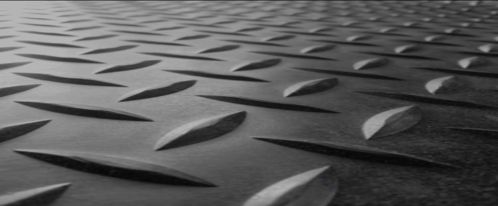
A checker plate, also known as a tread plate or diamond plate or Chequered plate , is a type of metal sheet distinguished by a surface that is not smooth and polished but has raised patterns or protrusions.
This product was invented and produced in 1820 by the Englishman Henry Robinson Palmer.
It is designated by various names, including:
• Diamond plate.
• Tread plate.
• Checker plate.
• Floor plate.
• Durbar floor plate.
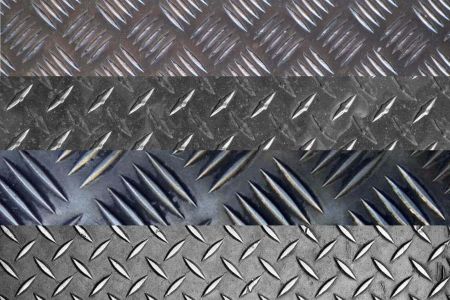
It’s worth noting that some of these names are due to the visual patterns they bear, which come in various shapes such as diamond, lozenge, teardrop, almond, and checkered.
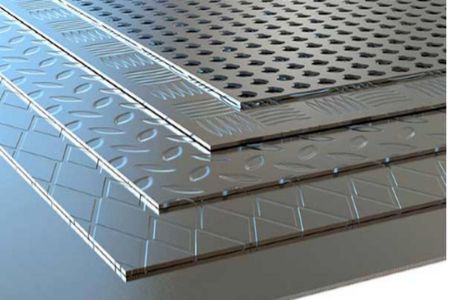
Checker plates are categorized in different ways, which we will explain below:
By Material Composition:
These products can be manufactured from a variety of raw materials and materials, depending on the intended application and location of use.
The most common materials used in the production of checker plates include:
• Steel.
• Stainless steel.
• Aluminum.
• Galvanized steel.
By Pattern and Appearance:
As previously mentioned, the patterns come in various designs, with the most popular and sought-after being:
1.Checkered pattern.
2.Teardrop pattern.
3.Diamond pattern.
4.Lozenge pattern.
5.Lentil pattern.
6.Almond pattern.
The number of lines in the patterns, whether single, double, or multiple, is determined by specialists in the field to ensure the highest efficiency in the intended location.
Manufacturing Process:
Checker plates, or embossed sheets, are produced in two main ways: pressed and fabricated.
We will provide a detailed explanation of the manufacturing process of this product later in the article.
The nature of checker plates and their manufacturing is based on creating friction.
They can be used in any location where friction is absent to create it.
In other words, they are used in places where there is a risk of slipping for individuals or vehicles due to various reasons.
The most important applications of this product include:
• Elevator construction.
• Various types of vehicle bridges and pedestrian bridges.
• Bus and BRT stations.
• Flooring.
• Automotive industry.
• Building construction.
• Decorative use in urban decoration.
• Shipbuilding industry.

For more information about this product and its compatibility with your intended location, you can contact the experts at Ajineh Industrial Company in Arak.
The benefits of checker plates, given their widespread use, are evident.
Below, we will examine the most important characteristics and features of this product:
• High flexibility.
• Very high resistance.
• Significantly increased friction.
• High weldability.
• Lighter weight compared to similar products.
• Easy and convenient transportation.
• Aesthetically pleasing and varied appearance.

We have thoroughly explained this product in the sections above.
Given the aforementioned points and the vast variety, as well as the possibility of single or multiple pattern lines and different pattern designs, the prices are very diverse.
Furthermore, the type of production of this sheet, which includes pressed and fabricated methods, also plays a significant role in determining the final sale price.
For price inquiries of checker plates, you can contact Ajineh Industrial Company in Arak to not only get the current price of this product but also benefit from the company’s expert consultation.
This product is manufactured in two ways:
Pressed production:
One of the most popular and common methods of producing checker plates is through pressing and hot rolling.
The production stages are similar to those of black sheets, with the difference being the presence of a roller with the desired pattern to create the embossing.
Fabricated production:
In this method, the main structure of the sheet remains untouched, and the desired patterns are pressed onto the sheet.
Differences Between Fabricated and Manual Production:
Based on the explanations provided above, the differences between these two production methods can be summarized as follows:
1. In the pressing method, the back of the sheet is not smooth and polished.
2. In the fabricated method, one surface of the sheet is completely smooth and polished.
3. The fabricated sheet is heavier than the pressed sheet.
4. The price of the fabricated sheet is higher due to its greater weight.
5. The resistance of the pressed sheet is higher than that of the fabricated sheet.
We hope to have provided you with useful and comprehensive information about another metal product available on our website.
If you have any questions regarding checker plates or other products on the site, you can contact the experts and specialists at Ajineh Industrial Company in Arak.
Thank you for your excellent choice.